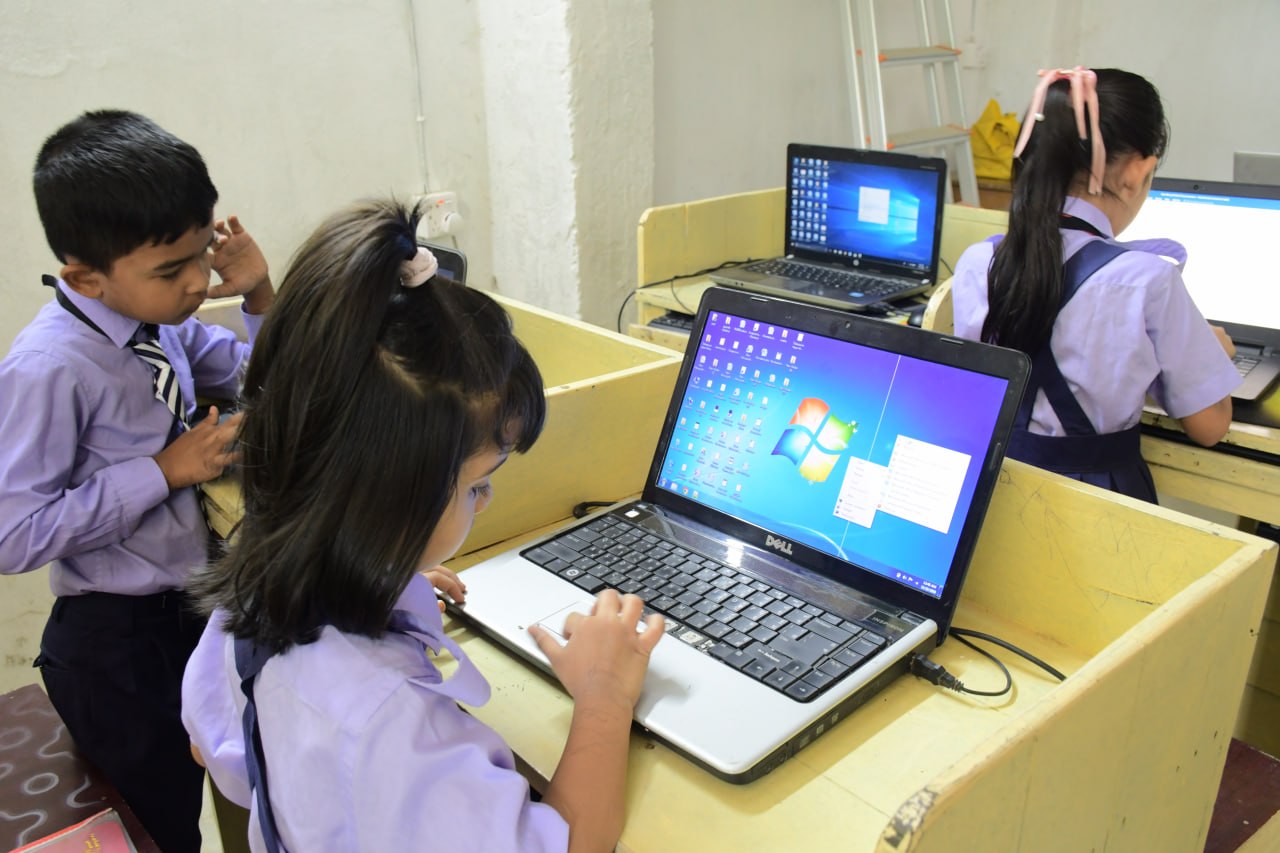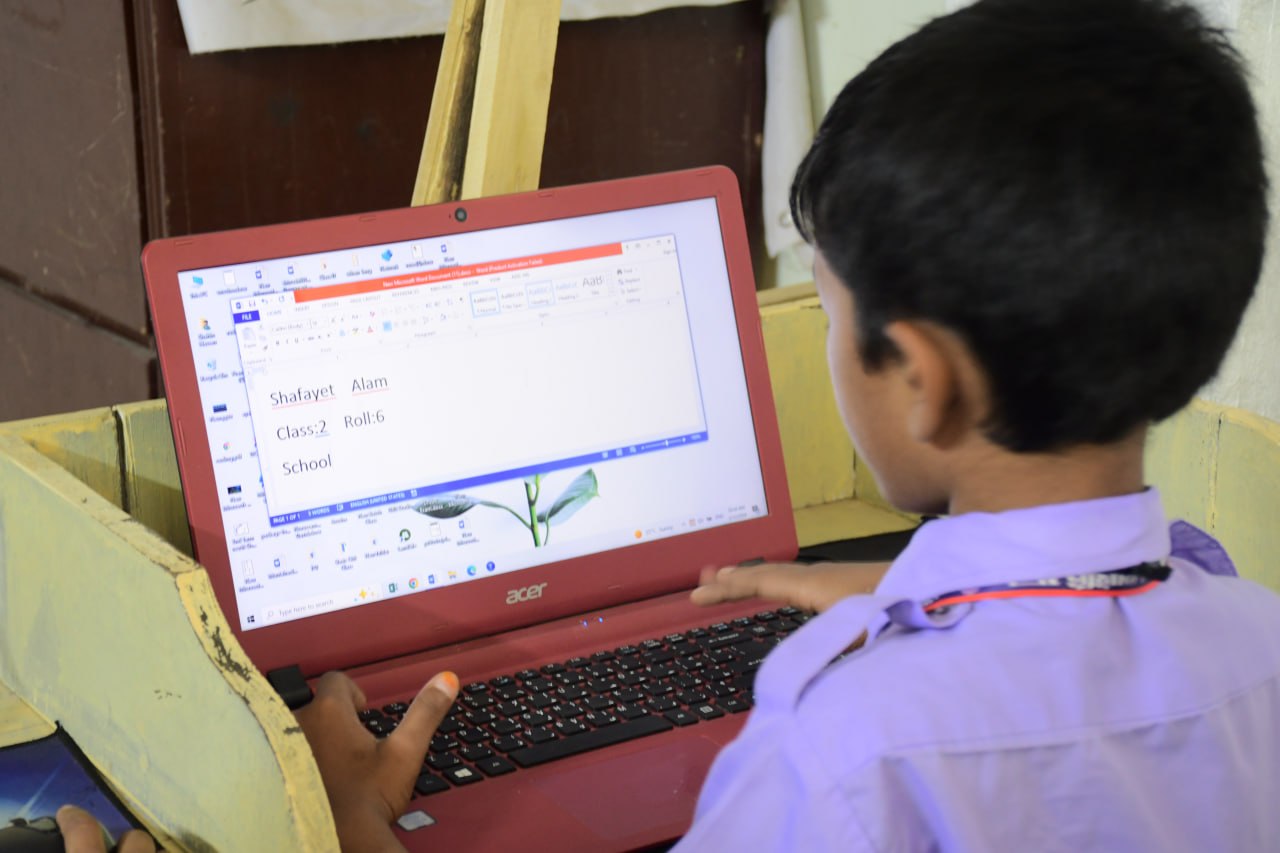

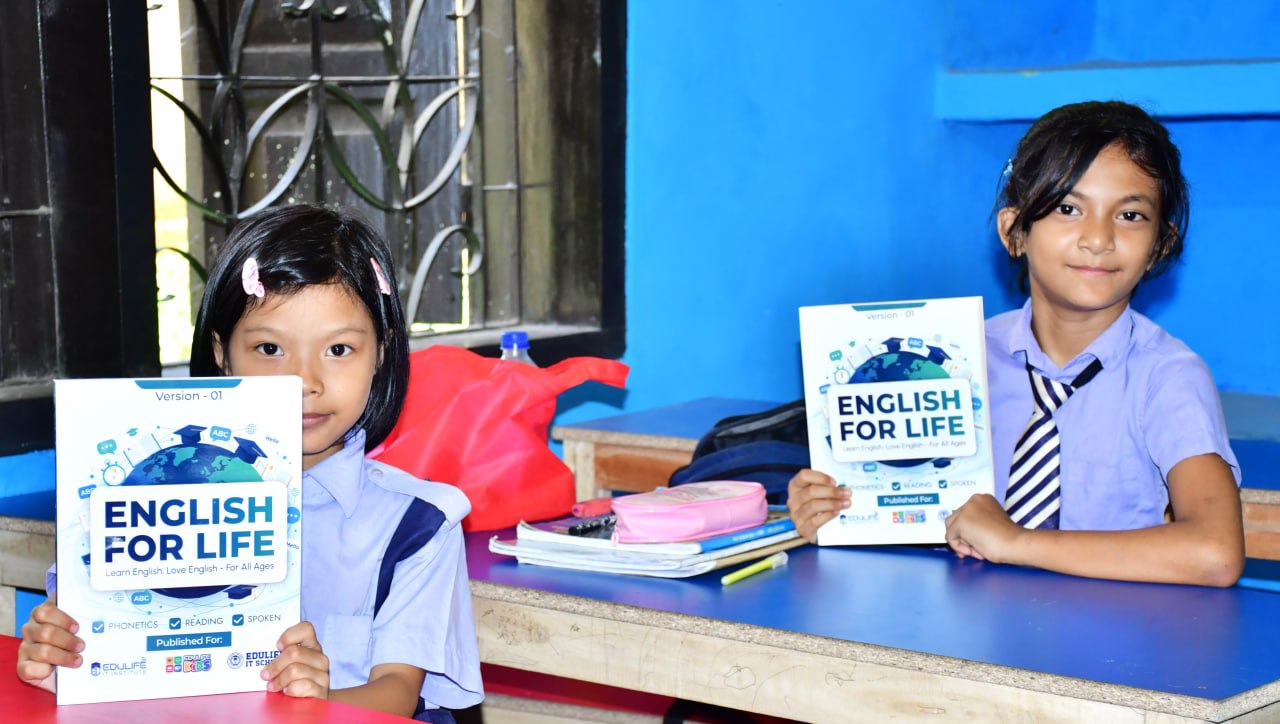
Twelve projects, one afternoon, and about sixty children explaining their own work to anyone who stopped long enough to listen. We learned more in three hours than in a term of assessment sheets.
The showcase was not a competition. There were no rankings and no first prize. Every child stood beside their own project and answered questions about it, which turned out to be the most revealing part of the whole afternoon.
What surprised us
The most impressive projects were not the most technically complex. They were the ones where a child could explain every decision, including the decisions that went wrong.
- Children who struggled most in lessons often explained their work best.
- The simplest projects held visitors' attention the longest.
- Almost every child could describe one bug they had fixed and how.
- Working in pairs produced noticeably more confident explanations.
We stopped asking 'what did you make?' and started asking 'tell me about this part here'. The answers changed completely.
Tanvir Chowdhury, Academic Coordinator
What we will change next time
We are extending the explanation time and shortening the display time. We are also adding a simple written reflection beside each project: three sentences on what was hard and what they would do differently, so the thinking is captured alongside the artefact.
Why we will keep doing it
Public explanation changes what children believe about themselves. Standing next to something you built, answering a stranger's question, discovering that you actually do know why it works: that is where confidence comes from. We will be running a showcase every term.