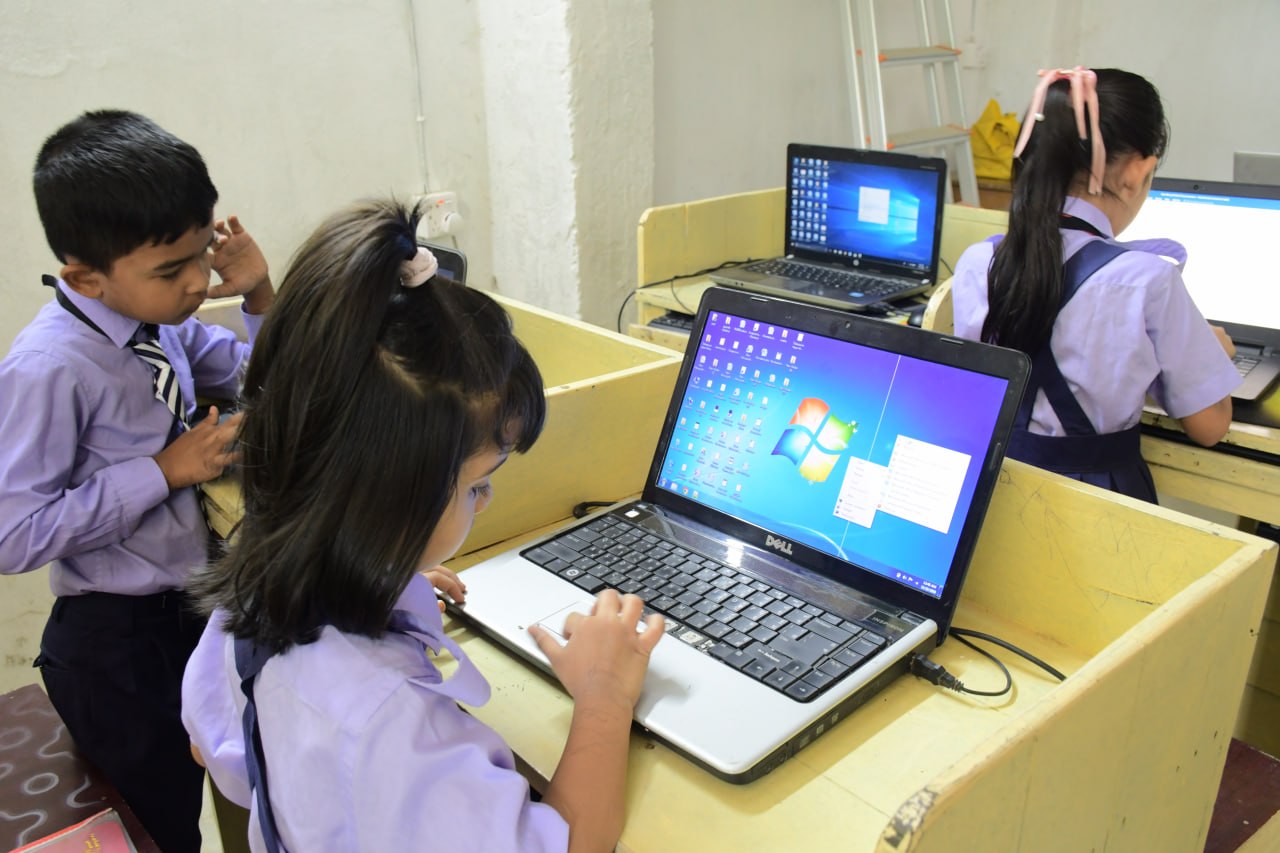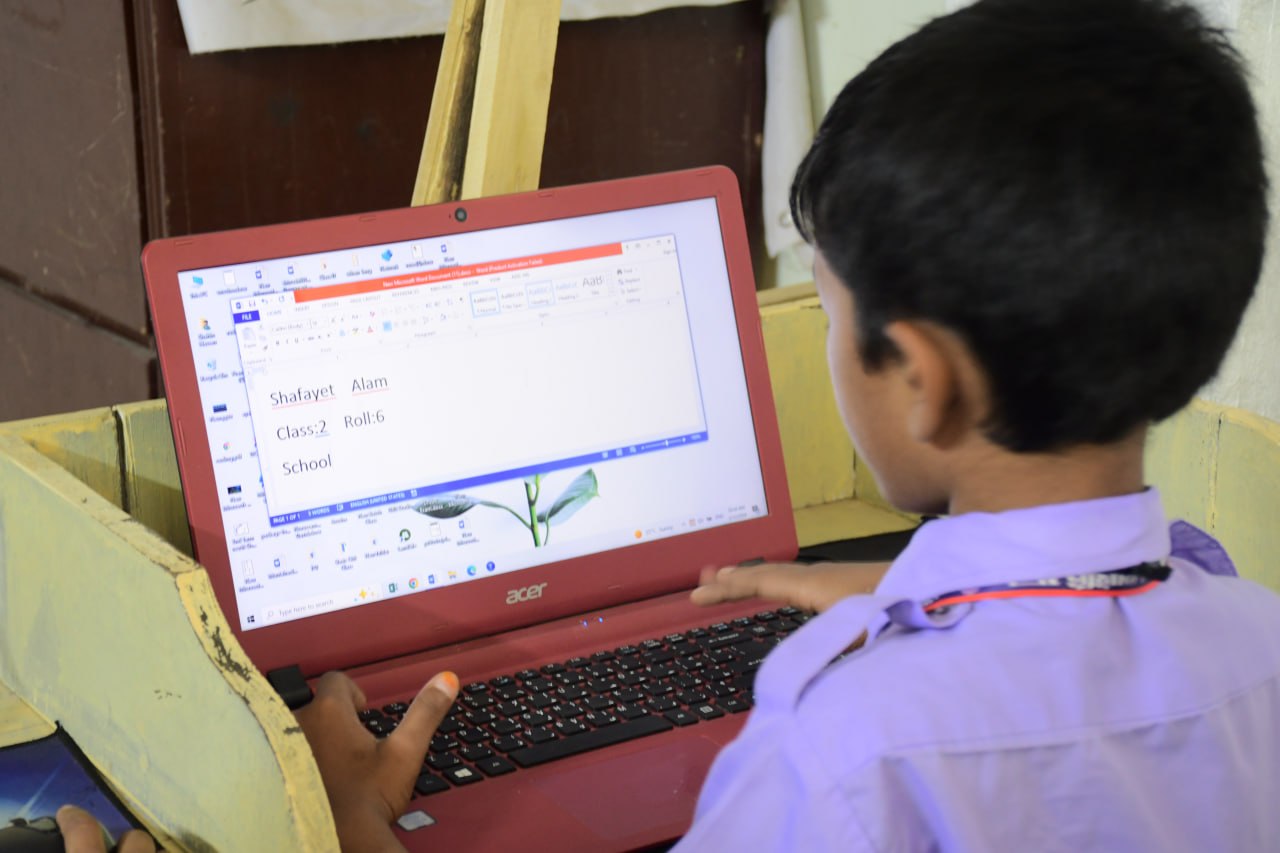


Every child in our classrooms will grow up with technology woven through their work, their learning and their relationships. The only real choice is whether they meet it with guidance or on their own.
There is a common worry that bringing screens into a primary school means taking something away from childhood. We understand it. But the opposite has been our experience: when technology is taught deliberately, in short focused sessions with a clear purpose, children become far less fascinated by it and far more capable with it.
Digital literacy is not typing lessons
Digital literacy means knowing how to use a tool well, how to judge what it gives you, and how to behave towards people online. Those are thinking skills as much as technical ones. A child who can open a browser but cannot question what they find there has learned a small amount of software and no judgement at all.
- Using a device purposefully, not just fluently.
- Judging information: who made this, and why?
- Creating something, not only consuming something.
- Behaving safely and kindly with others online.
Coding as a way of thinking
Our coding sessions start long before formal syntax. Children sequence instructions, debug a set of steps, and break a big problem into small ones. When a child discovers that their robot turned left because they forgot a step, that is a genuine lesson in cause, effect and persistence.
By the time a child is old enough to write real code, the important thinking has already been practised.
Md. Rafiq Hasan, Computer & IT Mentor
The question of screen time
We are not arguing for more screens. We are arguing for better ones. A twenty-minute session where a child builds something and explains it to a classmate is a very different act from an hour of passive scrolling, even though both involve a device.
What families can do
Ask to see what your child made, not just what they watched. Let them teach you something small. Keep devices in shared rooms at home. And when something strange or unkind appears online, treat it as a conversation rather than a crisis.
Guidance early is far easier than correction later. That is the whole argument for putting digital literacy in primary school, and it is why it sits alongside English and mathematics in ours.