A child asks roughly a hundred questions a day at four years old. Somewhere between then and secondary school, most of them stop. We think that is the single most avoidable loss in education.
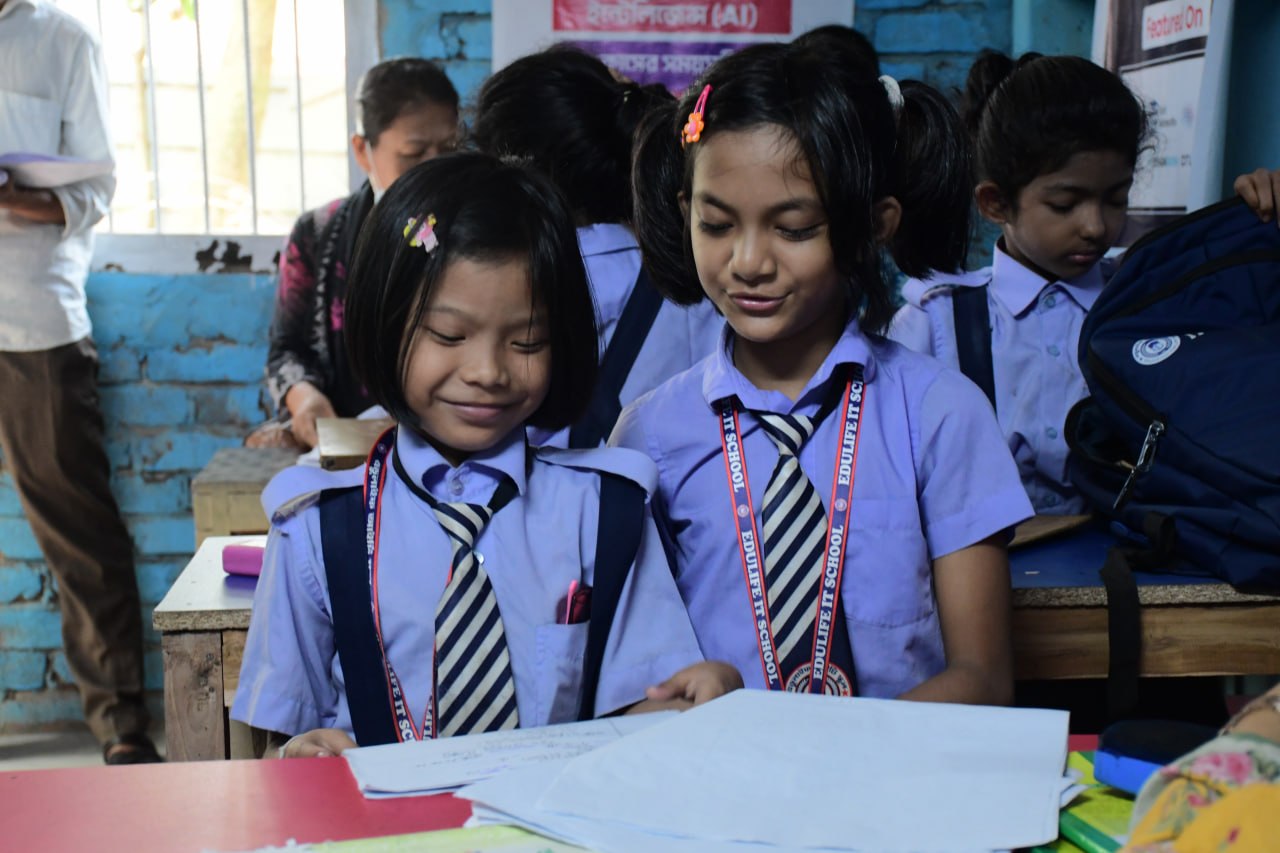
Walk into one of our classrooms and you will hear questions from both directions. Children ask the teacher, and the teacher asks the class something they genuinely do not know the answer to. That second habit is the harder one to build, and it changes everything.
The fear of being wrong
By the time children reach Class 3, many have learned that a question is a risk. There is a right answer, the teacher has it, and guessing wrong has a cost. Once that belief sets in, hands go down and the classroom goes quiet in the worst possible way.
- Praise the reasoning, even when the answer misses.
- Ask 'how did you get there?' before 'is that right?'
- Let a wrong answer sit and be examined instead of corrected instantly.
- Answer honestly when you do not know, then find out together.
A child who has never been allowed to be wrong in front of others will never be brave enough to think out loud.
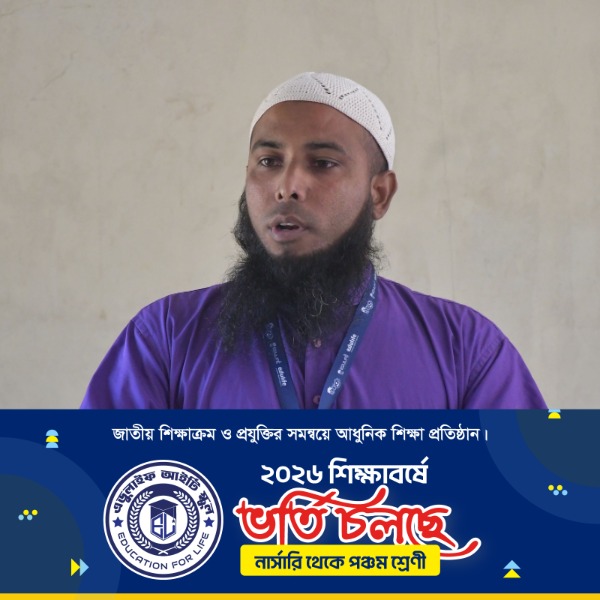
Topajjol Hossain Rasel, Head Teacher
Questions as assessment
We learn more from a child's question than from their test score. 'Why does the moon follow the car?' tells you that a child is watching, wondering and willing to say so. That is the raw material every teacher wants.
What parents can do at home
When your child asks something you cannot answer, say so, plainly and comfortably. Then look it up together. The message is not that adults know everything. The message is that not knowing is a normal, ordinary, completely fine place to start.