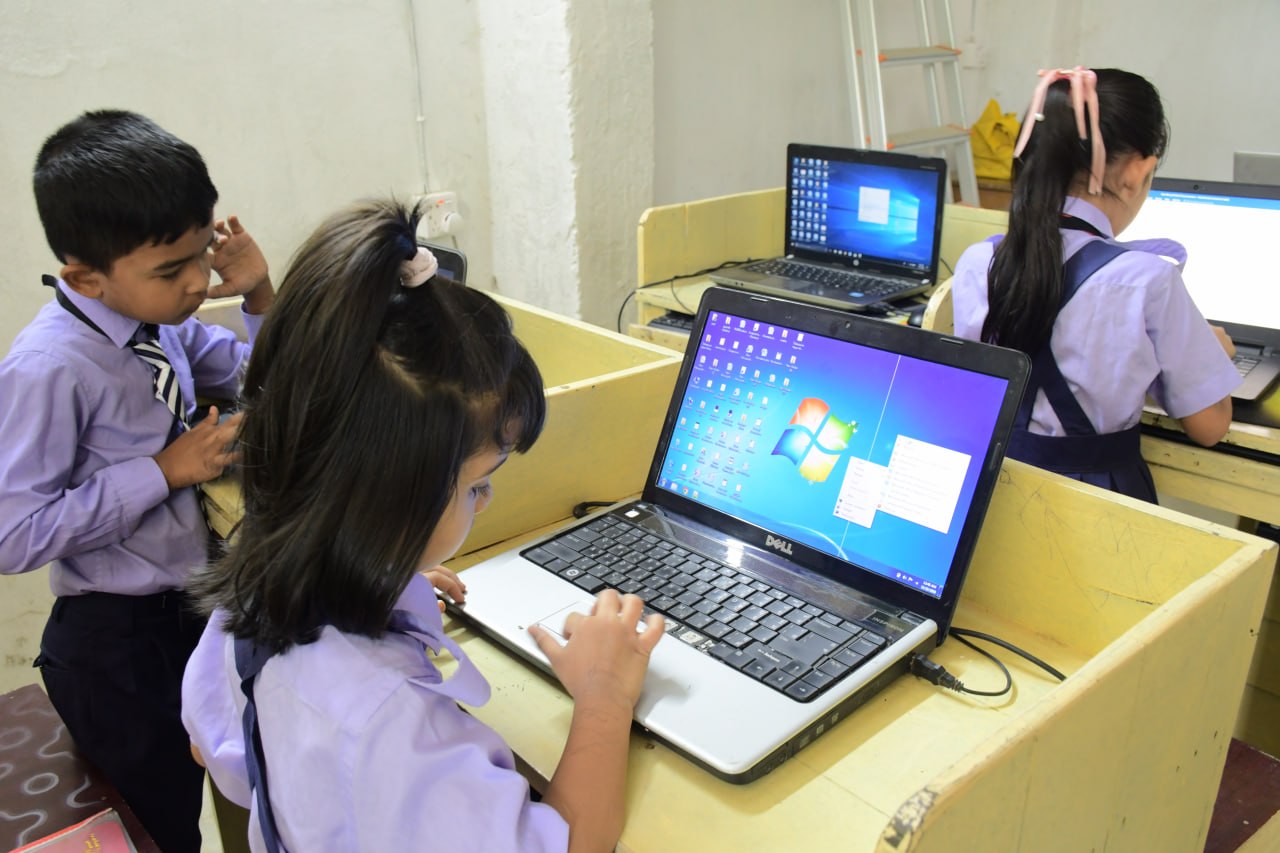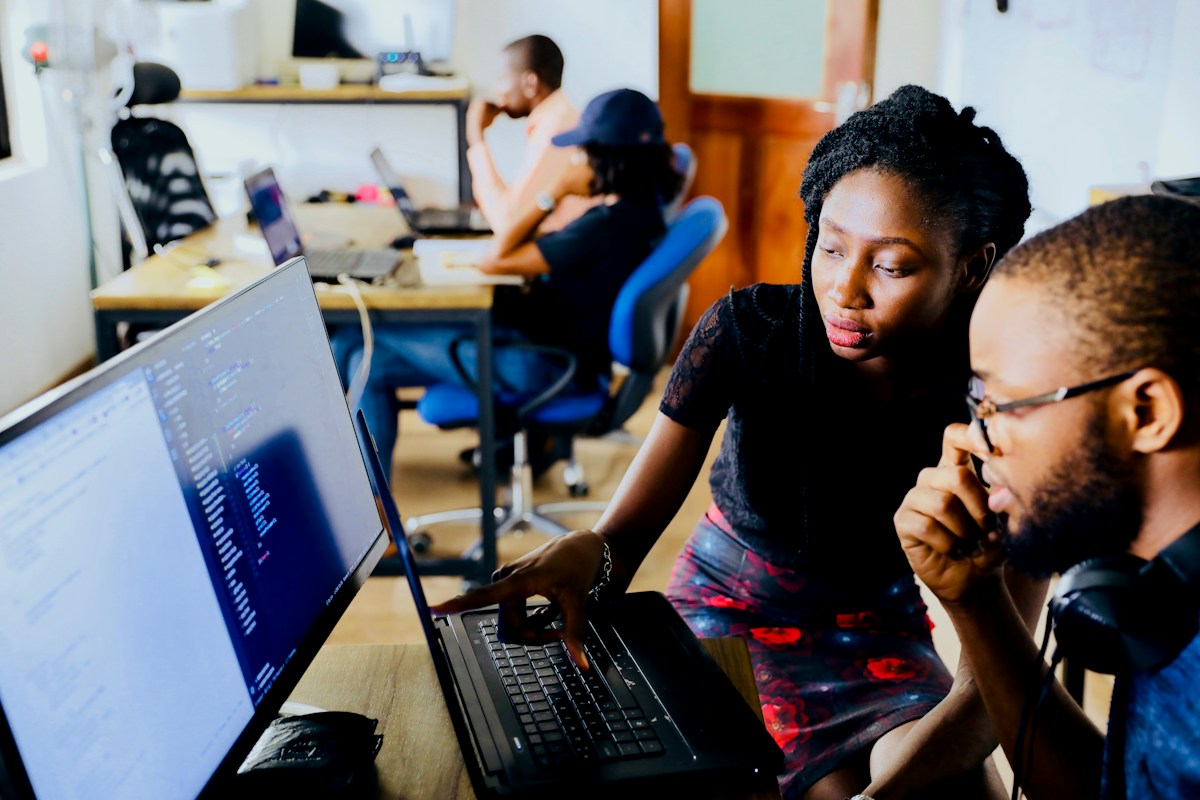

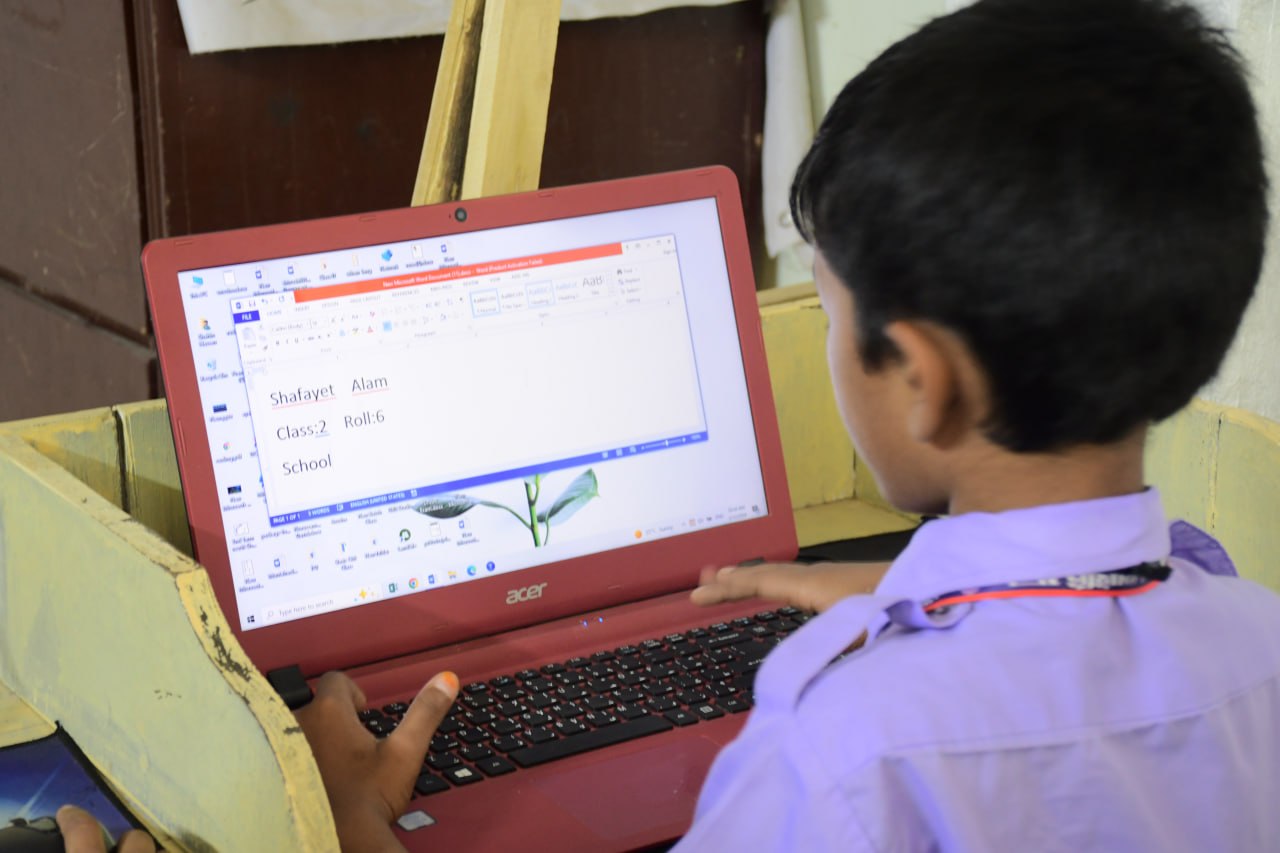
The lab is rarely quiet. There is the click of laptops, a pair of children arguing politely about which block goes first, and someone at the back calling across the room because their sprite finally moved.
A session runs for a little under an hour and follows the same shape every time, so children always know what is coming.
The warm-up: eight minutes, no screens
We start with instructions told out loud. One child gives steps, another follows them literally. When the follower walks into a wall because nobody said turn, the room laughs and the lesson lands: computers do exactly what you say, not what you meant.
The build: thirty minutes, working in pairs
Today's class is making a simple quiz game. Pairs choose a subject, write three questions, and set up what happens when an answer is right or wrong. Nobody is given the finished code. They are given the pieces and a problem worth caring about.
- Plan on paper first: what does the player see, and what happens next?
- Build one piece at a time and test after every change.
- When it breaks, read the steps back in order before changing anything.
- Explain your working program to another pair at the end.
The moment a child says 'wait, it worked' is the moment they stop being a user and start being a maker.
Md. Rafiq Hasan, Computer & IT Mentor
The share: fifteen minutes at the front
Every session ends with two or three pairs presenting. Presenting is not optional and it is not competitive. It is practice at explaining your own thinking, which is a skill children carry into every other subject.
Why it matters beyond the lab
The habits that make a good lab session, planning before starting, testing, persisting through a bug, explaining your reasoning, are exactly the habits that make a good learner everywhere else. The lab is simply where they become visible.