
The evening hours are the most contested minutes in any family with a school-age child. We would like to give some of them back to you.
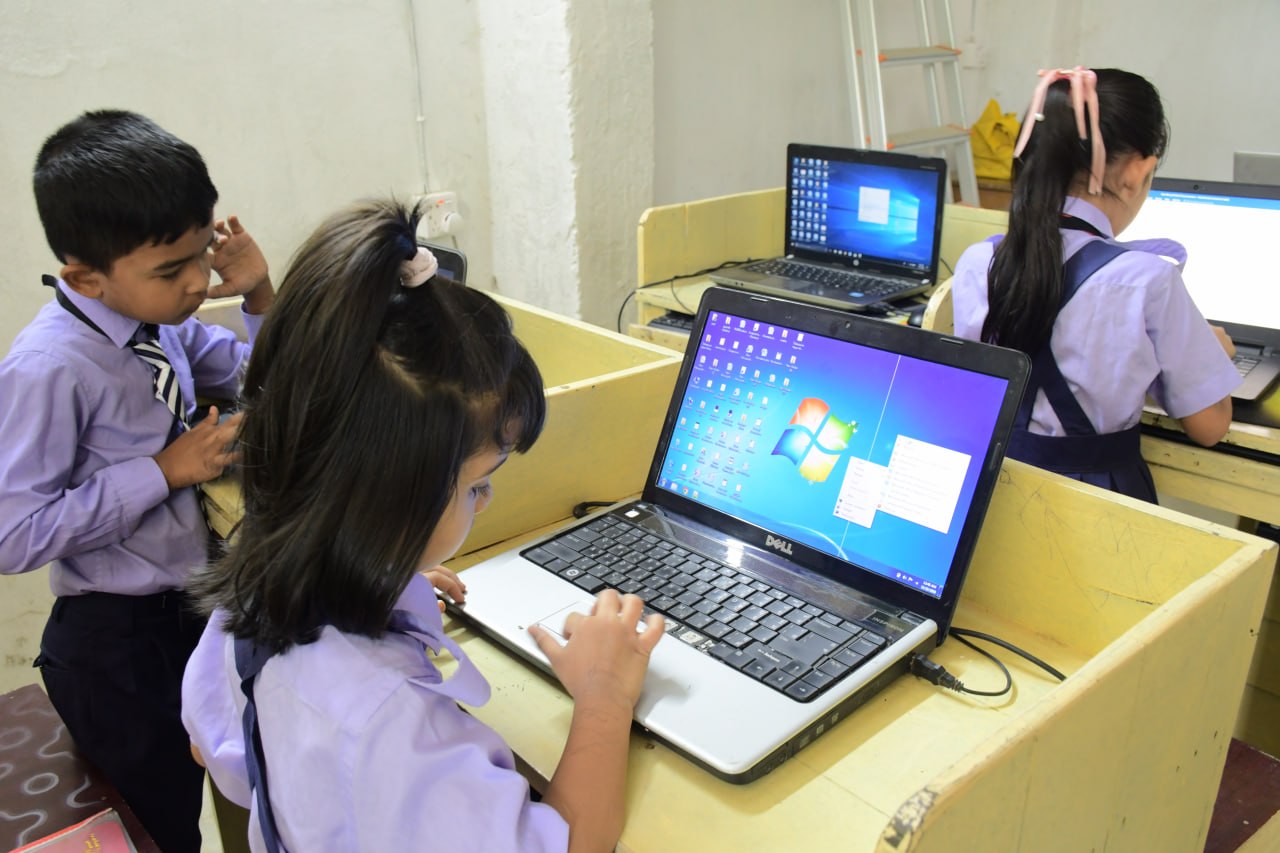
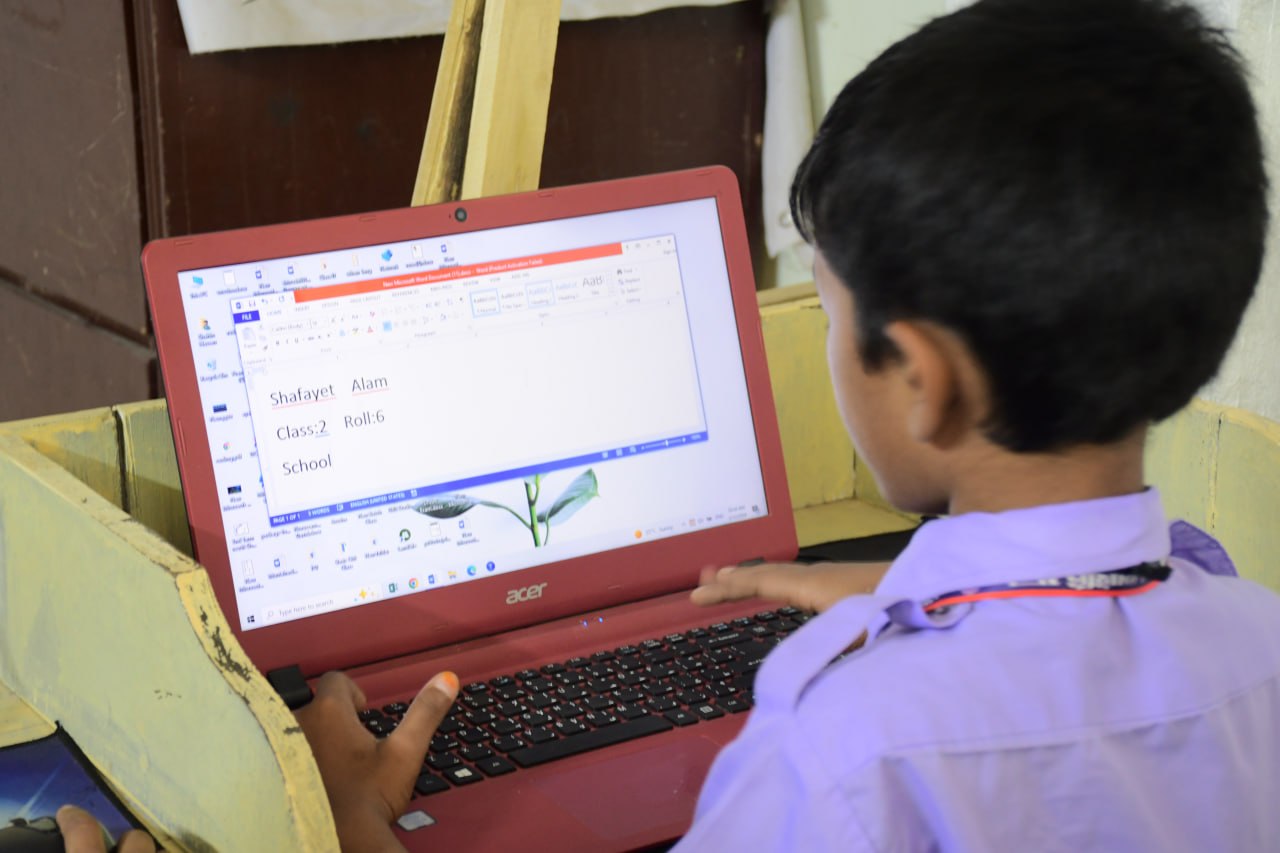
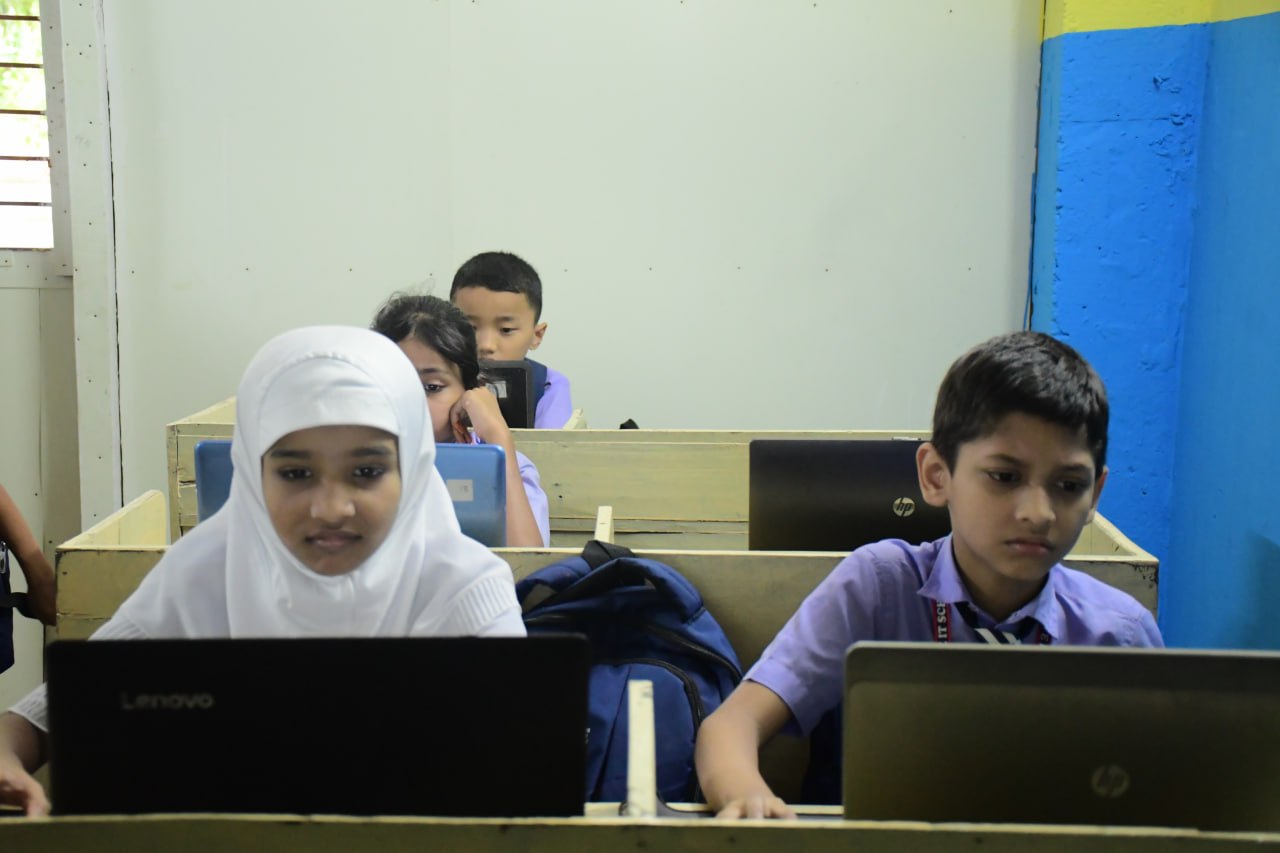
One of the pillars of Edulife is that classwork is completed in class. That is a deliberate design choice, not an accident of scheduling. It means that when your child comes home, the day's lesson has already been practised with a teacher nearby.
Why we timetable it this way
When work comes home unfinished, it lands on whoever happens to be available: usually tired, sometimes unsure of the method. Children quickly learn that they do not have to concentrate in class because someone will re-teach it later. Timetabling classwork into the school day removes both problems at once.
- Focused practice happens while the lesson is still fresh.
- Mistakes get corrected by the teacher who taught it.
- Home time stays for rest, family and play.
- Children build independence instead of dependence on an evening tutor.
Learning without dependence is not a slogan for us. It is a timetable decision.
Razia Sultana Urmi, Assistant Teacher
What a useful home routine looks like
Even with classwork finished in class, most families still want some gentle structure at home. The aim is lightness.
- A short reading slot: fifteen to twenty minutes, same time each day.
- A quick look at the diary or notice board, together, once a day.
- Some days, nothing at all. Rest is part of the routine, not a break from it.
Household rhythm over perfect quiet
You do not need a silent study, a separate room or a special desk. A kitchen table while dinner cooks works perfectly well. What children remember is the feeling of the household settling around them, not the furniture.